If you run a product-based business, transportation can affect inventory, pricing, delivery speed, and customer satisfaction. What is freight in practical business terms? It generally means commercial goods moved from one place to another by truck, rail, aircraft, ship, or combined transportation methods. The term can describe the goods themselves, the transportation service, or the charge for moving those goods. In the United States, larger commercial shipments are commonly associated with this type of transportation. Understanding the basics helps businesses compare carriers, delivery methods, and total transportation expenses.
| Key Point | What It Means |
|---|---|
| Basic meaning | Commercial goods or cargo transported between locations |
| Common modes | Truck, rail, air, water, and intermodal transportation |
| Typical users | Manufacturers, wholesalers, retailers, distributors, and other businesses |
| Truckload options | Less-than-truckload and full truckload |
| Pricing factors | Weight, dimensions, distance, mode, handling, and service level |
| Parcel distinction | Parcel services generally handle smaller individual packages |
| U.S. importance | Trucks handle the largest share of domestic goods by weight |
Direct answer: Freight is commercial cargo transported between locations by truck, rail, aircraft, vessel, or several combined modes. The word can also describe the transportation service or its associated charge. Businesses use these services when goods exceed ordinary parcel needs or require specialized commercial handling.
What Is Freight and What Does the Term Mean?
Freight can refer to physical goods transported for commercial purposes. It may include raw materials, machinery, retail inventory, food, building supplies, or finished products. The term may also describe the service used to move those goods. In everyday business language, the meaning depends on context. “The truck carries cargo” refers to the goods, while a transportation charge refers to the cost. That distinction matters when reviewing carrier quotes or invoices. FedEx classifies shipments over 150 pounds as freight within its service framework. That threshold is useful when comparing parcel and heavier commercial services. It is not a universal legal definition for every carrier or transportation mode.
Why Goods Transportation Matters in the United States
Commercial transportation connects factories, farms, warehouses, ports, stores, and customers across the country. Almost every physical product depends on transportation somewhere in its supply chain. Delays or higher rates can therefore affect both operating expenses and product availability. The scale of this system is substantial. U.S. transportation networks moved about 20.2 billion tons of goods during 2023, according to federal transportation data. Those goods carried an estimated annual value of about $18.7 trillion. Trucking remains especially important for domestic movement. Federal Highway Administration data says trucks carried 13.1 billion tons during 2023. That represented about 65 percent of domestic shipment weight.
Main Freight Modes Used by U.S. Businesses
Businesses can move commercial cargo through several transportation modes. The right choice depends on distance, urgency, shipment size, product characteristics, and available infrastructure. Many supply chains combine several modes before a product reaches its final destination.
* Truck: Flexible for regional and national deliveries with direct road access. * Rail: Well suited to heavy bulk loads and longer inland distances. * Air: Useful for urgent, high-value, or time-sensitive goods. * Water: Common for large international loads and heavy bulk commodities. * Intermodal: Combines methods such as rail and truck during one movement.
Truck transportation dominates many shorter domestic movements. Rail becomes more competitive for heavy loads across longer distances. Air handles little tonnage but carries disproportionately valuable products. International patterns differ from domestic patterns. Water carried 79.2 percent of U.S. international trade weight during 2024. Air carried only 0.4 percent by weight but 30 percent by value.
LTL and FTL Explained
Truck transportation often falls into two familiar categories: less-than-truckload and full truckload. LTL combines shipments from several customers inside the same trailer. FTL generally dedicates the trailer to one shipper’s load. LTL can make sense when a shipment does not require an entire trailer. Sharing trailer capacity can lower transportation costs for smaller commercial loads. The tradeoff can include additional handling and terminal transfers. FTL is often suitable for larger loads or shipments needing fewer transfers. Dedicated trailer capacity can simplify handling and scheduling. Businesses should compare service requirements rather than choosing only by shipment weight.
Freight vs. Shipping: What Is the Difference?
Shipping is a broad term for sending goods from one location to another. It can cover a small package sent to a consumer or a large commercial load. Freight usually refers more specifically to commercial cargo or bulk transportation. The terms still overlap in normal business conversations. A retailer might call the same movement “shipping” while a carrier calls it a commercial load. Context usually tells you whether someone means the goods, service, or transportation charge. Parcel transportation usually involves smaller packages moving through standardized carrier networks. Larger loads may need pallets, specialized equipment, appointments, or different pricing methods. That added complexity is one reason businesses track transportation expenses separately.
How Freight Pricing Works
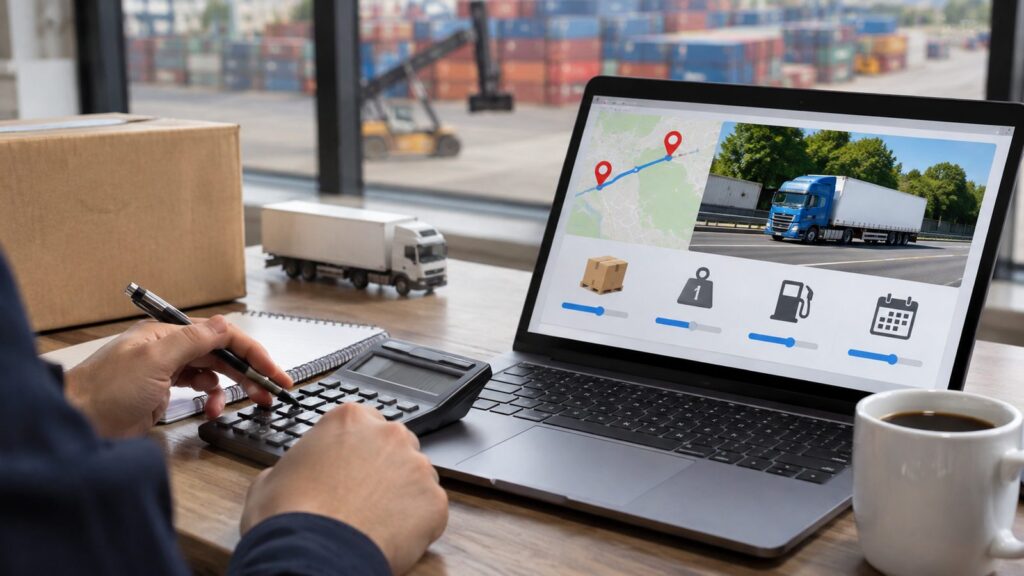
Transportation prices rarely depend on one factor. Carriers usually consider shipment size, weight, distance, service speed, equipment needs, and handling requirements. Fuel costs and market capacity can also influence a final quote. Truck shipments may involve additional classification and accessorial charges. These charges can cover services such as liftgates, residential delivery, limited-access locations, or extra handling. Businesses should review the complete quote rather than comparing base rates alone. Cost analysis matters because transportation can change the margin on every unit sold. Bussinify’s guide to marginal cost explains how added expenses affect production decisions. The same thinking helps when comparing transportation choices across growing order volumes.
What Affects the Best Transportation Method?
The cheapest service is not automatically the best business choice. A slower option can reduce transportation spending while increasing inventory needs or delivery times. A faster option can cost more but protect a time-sensitive sale. Start by considering the shipment’s size, destination, required delivery date, and product value. Then consider special handling, temperature control, security, or regulatory requirements. These variables narrow the available carrier and service choices. Businesses should also consider how transportation fits their wider operating model. Smaller companies often have less negotiating power and fewer backup carriers. Bussinify’s small-business resource on operating challenges provides broader context for managing limited resources.
What Is a Carrier, Broker, and Forwarder?
A carrier physically transports property using vehicles or other transportation equipment. A broker generally arranges transportation between a shipper and carrier without transporting the goods itself. These roles are distinct under U.S. motor-carrier regulations. A forwarder organizes shipments and may consolidate loads before distribution. Under FMCSA definitions, forwarders assume transportation responsibility and may participate directly or indirectly in movement. That differs from a broker’s arranging role. Understanding these roles helps when comparing providers. One company may own trucks, while another primarily manages relationships between shippers and carriers. Ask who controls the physical movement and who accepts responsibility for the shipment.
A Simple Example for a U.S. Small Business
Imagine a small furniture manufacturer sending twelve palletized tables from Ohio to Texas. Standard parcel delivery would be impractical because the shipment is large and requires pallet handling. The company could instead request commercial trucking quotes. An LTL provider might combine those pallets with other customers’ loads. A dedicated truck could make sense if the shipment grows substantially. The company should compare transit time, handling risk, insurance, and total charges. This decision becomes more important as sales increase. Transportation spending can grow alongside production, inventory, and staffing needs. The Bussinify homepage offers additional guidance for U.S. owners making operating decisions.
Documents Commonly Used in Commercial Transportation
Commercial shipments can require more documentation than ordinary consumer packages. The exact paperwork depends on the transportation mode, destination, and goods involved. International movements typically require more customs-related documentation. Common documents can include:
* Bill of lading * Commercial invoice * Packing list * Delivery receipt * Customs documents for international goods * Certificates or permits for regulated products
The bill of lading is especially important because it records shipment details and transportation terms. Businesses should check documents before pickup to prevent avoidable delays. International shipments may need specialized customs support.
How Businesses Can Control Transportation Costs
Cost control starts with accurate shipment information. Incorrect dimensions, weights, or delivery details can produce revised charges after pickup. Better records also make carrier quotes easier to compare. Companies can reduce unnecessary spending through several practical measures:
* Consolidate compatible shipments when delivery schedules allow. * Compare service levels instead of selecting the fastest option automatically. * Measure pallets and packages accurately before requesting quotes. * Review accessorial charges before accepting a carrier’s rate. * Track damage, delays, and claims alongside transportation prices. * Negotiate rates when recurring shipment volume becomes significant.
The lowest quoted price may produce higher costs if service problems occur frequently. Damaged inventory, missed appointments, and delayed customer orders have financial effects. Compare reliability with price before building a carrier relationship.
Frequently Asked Questions
What is freight in simple terms?
Freight means commercial goods transported from one place to another. It can also refer to the transportation service or transportation charge. Common methods include truck, rail, air, and water.
Is cargo the same thing?
The words often describe similar goods, but usage can differ. Cargo commonly refers to goods carried by ships, aircraft, trucks, or other vehicles. In normal logistics conversations, both terms frequently overlap.
What is the difference between LTL and FTL?
LTL combines loads from multiple customers in one trailer. FTL generally reserves an entire trailer for one shipper. The better choice depends on shipment size, timing, handling, and price.
Why do transportation rates change?
Rates respond to distance, shipment characteristics, fuel, capacity, service speed, and special handling requirements. Market conditions can also affect available trucks or other transportation capacity. Final quotes may therefore change between shipments.
What does a freight forwarder do?
A forwarder organizes cargo transportation and may consolidate shipments for distribution. The company can coordinate several carriers or transportation modes. Forwarders are especially common when shipments cross international borders.
Is every shipment over 150 pounds considered commercial cargo?
FedEx uses 150 pounds as the dividing point between parcel and its heavier services. Other carriers or transportation sectors may use different rules. Always confirm limits with the provider handling your shipment.
The Bottom Line
Commercial transportation is the system that keeps physical goods moving between producers, warehouses, sellers, and customers. Its cost and speed can directly affect inventory planning, margins, and service quality. Understanding the basic modes gives businesses a stronger foundation for comparing transportation options. Start by identifying shipment size, destination, deadline, product needs, and acceptable handling. Then compare several carriers or logistics providers using total cost and service reliability. That approach makes transportation a managed business decision instead of an unpredictable expense. —