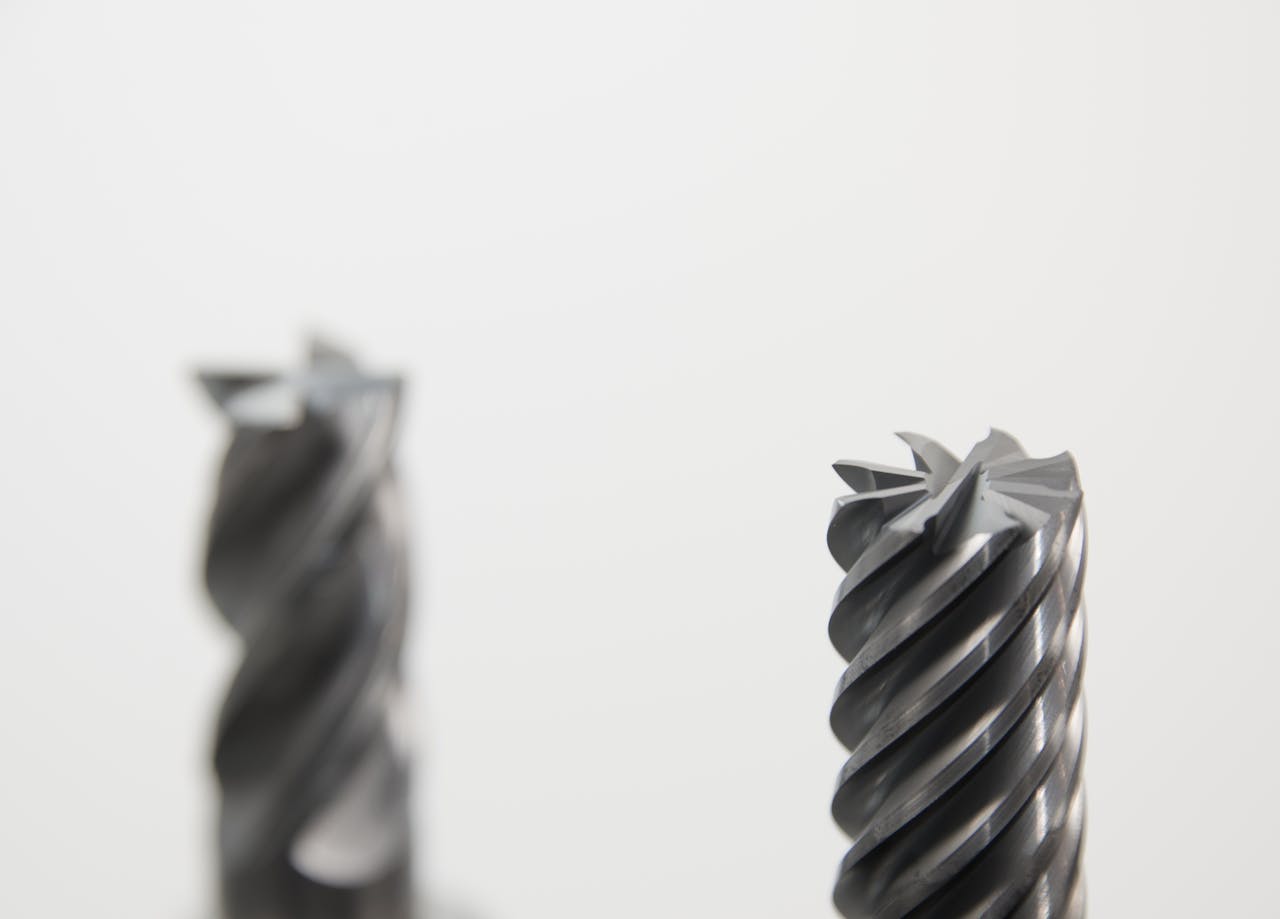
Manufacturing has always been about making things efficiently, but the definition of efficiency is expanding. It used to mean speed and output, and while those still matter, more manufacturers are recognizing that how long their materials last is just as important as how fast their machines run. When tools and components wear out quickly, the costs show up not just on the balance sheet but in the volume of discarded material that accumulates over time.
This article looks at the role that long-lasting materials play in reducing waste across manufacturing operations, from well-known solutions like tungsten carbide to surface coatings and specialty alloys, and why the choice of material is one of the most practical levers a facility has when it comes to operating more sustainably.
Ceramic Cutting Tools and Their Place in Precision Manufacturing
Ceramic cutting tools are another category of long-lasting materials that have earned a place in high-performance manufacturing environments. They are particularly valued in applications involving hardened steels and heat-resistant superalloys, where they maintain their cutting properties at temperatures that would degrade conventional tooling.
The extended tool life offered by ceramics means fewer tool changes during a production run, which reduces both material waste and interruptions to workflow. Ceramic tooling is typically available through specialized cutting tool suppliers and manufacturers who offer application engineering support to help match the right ceramic grade to a specific machining operation.
Polycrystalline Diamond Tools for Extreme Hardness Applications
Polycrystalline diamond, commonly referred to as PCD, is a synthetic material used in tooling for applications that require extreme hardness and cutting precision. It is widely used in the machining of non-ferrous metals, composites, and abrasive materials where standard carbide or high-speed steel tools would degrade rapidly.
The service life of PCD tooling is substantially longer than most alternatives in those specific applications, which makes it a meaningful contributor to waste reduction goals when deployed correctly. PCD tools are generally sourced through precision tooling companies that offer regrinding and reconditioning services, which extends the useful life of the tool even further before it reaches end of life.
High-Speed Steel and Its Continued Relevance
High-speed steel remains a relevant material in manufacturing despite being one of the older categories of tool material, largely because of ongoing improvements in its formulation and coating technologies. When coated with materials like titanium nitride or titanium aluminum nitride, high-speed steel tools can perform reliably across a wide range of cutting applications with significantly extended service life compared to uncoated versions.
The ability to recondition and resharpen high-speed steel tools also contributes to its sustainability profile, since a tool that can be reconditioned multiple times generates less cumulative waste than one that must be discarded after a single use cycle. High-speed steel tooling is widely available through industrial tool suppliers, and many of those suppliers offer resharpening services that help manufacturers extract maximum value from each tool before it is retired.
Tungsten Carbide and Its Long Service Life
Tungsten carbide is one of the most well-established hard materials used in manufacturing, and its reputation is built largely on how long it holds up under demanding conditions. It is used in cutting tools, drill bits, dies, and wear parts across industries including metalworking, mining, and oil and gas, where components face intense mechanical stress.
Because tungsten carbide tools maintain their edge and structural integrity far longer than many conventional alternatives, they require replacement far less frequently, which directly reduces the volume of discarded tooling. Suppliers, such as Federal Carbide Company, of tungsten carbide solutions typically offer custom-engineered components and wear parts as a service, meaning manufacturers can work with specialists to get parts sized and specified for their exact application rather than relying on generic off-the-shelf options.
Stellite and Cobalt Alloys in High-Temperature Applications
Stellite and similar cobalt-based alloys are used in manufacturing environments where components must maintain their properties at elevated temperatures over extended periods. They are commonly found in valve seats, pump components, and wear parts in industries like chemical processing, power generation, and aerospace.
The durability of these alloys in harsh thermal and chemical environments means that components made from them can remain in service far longer than those made from more conventional materials. Cobalt alloy components are typically available through specialty alloy suppliers and precision casting or machining services that produce parts to engineering specifications.
Hard Chrome and Thermal Spray Coatings as Surface Solutions
Not every approach to material longevity involves replacing an entire component with a harder material. Surface treatments like hard chrome plating and thermal spray coatings extend the life of existing components by adding a wear-resistant layer to surfaces that experience friction, corrosion, or impact.
This approach reduces waste by prolonging the service life of base components that would otherwise need to be replaced entirely when their surface degrades. These coating services are offered by industrial finishing companies and thermal spray specialists who work across sectors including hydraulics, aerospace tooling, and heavy equipment manufacturing.
Material durability is a practical, measurable factor in waste reduction, often overlooked for more visible sustainability efforts. Longer-lasting tools reduce the need for premature manufacturing, shipping, and disposal, leading to compounded savings. The materials discussed prioritize longevity across various applications. Choosing durable materials is a direct way for manufacturers to reduce environmental impact without sacrificing performance.
Apart from that if you want to know about What Do Basic Industry Jobs Pay? Discover Salary Ranges, Career Growth, and Key Insights into the Industry then please visit our Industry Category.