Starting a small farm or ranch is one of the more rewarding things a person can take on, and it is also one of the more complex. The early planning stages involve a wide range of decisions that span soil science, construction, equipment selection, animal husbandry, and local regulations — often all at once.
What makes this process manageable is knowing what categories of work and infrastructure are involved, what each one does, and where you can turn for help or supplies. This article walks through the key services, equipment, and structures that most small farm and ranch operations will need to account for, so that new farmers can approach the process with a realistic and informed perspective.
Soil Testing and Land Assessment Services
Soil testing services are widely available through university cooperative extension programs, private agricultural laboratories, and some farm supply retailers. These services analyze samples you collect and return detailed reports on what the land can support.
Beyond basic soil tests, some agricultural consultants offer broader land assessments that cover topography, drainage patterns, and land-use potential. Working with a local office is another option, as they often provide free or low-cost technical assistance for new farm operations, including guidance on how to interpret soil data and plan land use accordingly.
Seedbed Rollers for Preparing Fields
Once soil testing is complete and amendments have been applied, field preparation becomes the next critical phase. A seedbed roller is a piece of equipment used to firm the soil surface after tillage, creating consistent seed-to-soil contact that dramatically improves germination rates.
Loose, uneven soil can cause seeds to dry out before they establish roots, and a roller addresses this by pressing the seedbed into a uniform, firm layer that retains moisture more effectively. Seedbed rollers are available for purchase or rental through a Kubota dealer, farm equipment dealers, co-ops, and agricultural rental companies, and their use is particularly important when establishing pastures, cover crops, or small grain fields.
Wells, Ponds, and Irrigation Systems
Reliable water access is one of the most fundamental requirements of any farming operation, whether for livestock, irrigation, or general farm use. A drilled well is often the most dependable source of clean water, and well-drilling companies operate in most rural counties and can assess the local water table before committing to a project.
Farm ponds, where topography and soil conditions allow, can serve as irrigation reservoirs or livestock water sources, and pond construction is a service offered by excavation contractors and land-clearing specialists. Irrigation systems ranging from simple gravity-fed drip lines to powered center pivots are designed and installed by irrigation supply companies, and choosing the right system depends heavily on the crops being grown, water availability, and the size of the fields being irrigated.
Right Post-Frame Building for Storage and Livestock
Post-frame buildings, sometimes called pole barns, are among the most practical and cost-effective structures for farms and ranches. They are constructed using large vertical posts anchored in the ground, which support the roof and walls without the need for a full perimeter foundation, making them faster and more affordable to build than traditional stick-frame structures.
These buildings, which are offered by companies like Quality Structures, are highly versatile and can be configured as equipment storage, hay storage, livestock shelters, or multipurpose ag buildings, depending on your operation’s needs. Post-frame building contractors and kit suppliers are found throughout rural areas, and many offer design consultations to help match the building’s size, orientation, and features to the specific demands of your farm.
Fencing for Livestock Management and Field Division
Fencing is one of the earliest and most important infrastructure decisions on a livestock farm or ranch, as it defines rotational grazing paddocks, keeps animals safe, and protects crops from wildlife and wandering stock. The type of fencing required varies based on the animals being contained, with cattle typically managed with woven wire or barbed wire, while horses often require board fencing or coated wire to prevent injury.
Electric fencing systems have become widely popular for their flexibility and affordability, allowing farmers to quickly create or move paddock boundaries as part of a rotational grazing program. Fencing materials are available through farm supply stores and rural hardware co-ops, and professional fencing contractors can handle installation for those dealing with large acreage or challenging terrain.
Tillage Equipment and Field Preparation Machinery
Beyond seedbed rollers, a range of tillage equipment is used to prepare fields depending on soil conditions, crop type, and farming philosophy. Primary tillage tools like subsoilers, disc harrows, and chisel plows break up compacted soil layers and incorporate residue from previous crops, while secondary tillage tools like field cultivators and rotary tillers refine the soil surface for planting.
The decision to till aggressively or adopt minimal tillage practices has long-term implications for soil health, erosion risk, and input costs, and many farmers are moving toward reduced tillage systems that preserve soil structure. Tillage equipment is available for purchase through major farm equipment dealers, and rental or custom hire options exist through local custom farm operators who provide tillage services by the acre.
Grain and Feed Storage Solutions
Proper storage for harvested grain or purchased feed is critical to maintaining quality and reducing losses from moisture, pests, and spoilage. Grain bins made from corrugated steel are the most common commercial storage solution and come in a wide range of capacities, with suppliers offering both equipment and installation services through regional dealers.
For smaller operations, commodity sheds — essentially open-fronted post-frame structures with concrete floors — work well for storing bagged or bulk feed, hay, and other dry inputs. The choice of storage type depends on volume, turnover rate, and the type of commodity being stored, and working with a local grain handling equipment dealer or farm supply cooperative can help identify the right solution for the scale of your operation.
Farm Vehicles and Utility Equipment
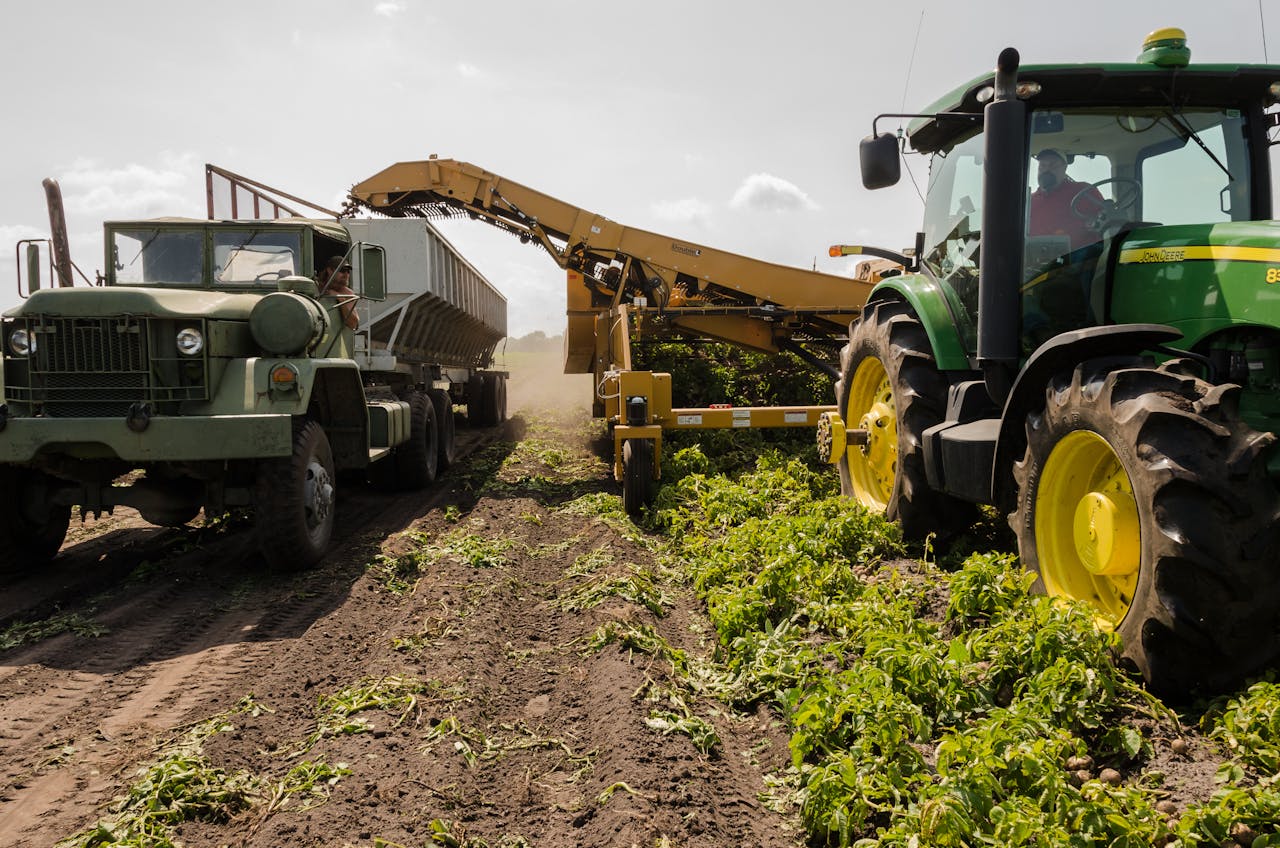
A reliable tractor is typically the backbone of any small farm’s equipment fleet, as it powers a wide array of implements from loaders and mowers to seeders and spreaders. The appropriate size and horsepower of a tractor depends largely on the tasks it will perform and the size of the operation, with compact utility tractors serving smaller acreage well and larger row crop tractors handling bigger fields and heavier loads.
Utility vehicles like ATVs and UTVs are widely used on farms for checking fences, moving feed, and general property management, and are available through powersports dealers and some farm equipment retailers. Purchasing used equipment through farm auctions, online agricultural marketplaces, or private sales can be a practical approach for new farmers working within a tight budget.
Livestock Health and Veterinary Services
Maintaining animal health is a continuous responsibility that requires access to both professional veterinary services and a well-stocked supply of basic medications, tools, and equipment. Large animal veterinarians who specialize in cattle, horses, swine, or sheep are essential partners for any livestock operation, providing preventive care like vaccinations and health certificates as well as emergency and routine medical services. Many rural areas have mobile large animal vet practices that come to the farm, which is far more practical than transporting animals to a clinic for routine care.
Farm supply stores stock a broad range of over-the-counter livestock medications, dewormers, wound care products, and basic medical equipment, though any significant health concern should always be addressed with the guidance of a licensed veterinarian.
Setting up a small farm is a process that unfolds over time, and no two operations will look exactly the same. The combination of land assessment, field preparation, proper storage, quality infrastructure, and access to the right services forms a foundation that gives a new farm its best chance at long-term viability.
Many of the resources and services described throughout this article are available locally through extension offices, agricultural co-ops, equipment dealers, and government agencies that specifically exist to support farm operations. Taking the time to understand what is available, what each component does, and why it matters is one of the most practical things a new farmer can do — and it makes every decision that follows a little clearer.
Apart from that, if you want to know more about How Long-Lasting Materials Are Reducing Waste in Modern Manufacturing then visit our Industry category.