Introduction
Innovation drives progress, and with the rapid advancements in technology, new invention ideas emerge every day. Whether it’s enhancing everyday convenience or solving complex global challenges, groundbreaking inventions shape the future. Innovation is the driving force behind human progress, shaping the way we live, work, and interact with the world.
Every great invention starts as a simple idea—whether it’s a groundbreaking technology, a clever gadget, or a solution to everyday problems. With rapid advancements in artificial intelligence, renewable energy, and smart devices, new invention ideas continue to emerge, revolutionizing industries and improving lives.
From futuristic health tech to eco-friendly solutions, the possibilities are endless. But what does it take to turn an idea into reality? Let’s explore the exciting world of new invention ideas and how they can shape the future. Here are some unique and innovative ideas that could revolutionize industries and improve lives.
Table: New Invention Ideas
| Invention Idea | Description | Potential Benefits | Challenges |
|---|---|---|---|
| Self-Cleaning Clothes | Fabric that repels dirt and odors, eliminating the need for washing. | Saves water, time, and energy. | Developing durable, eco-friendly materials. |
| Smart Pillow with Sleep Tracker | A pillow that monitors sleep patterns and adjusts for optimal comfort. | Improves sleep quality and health insights. | Ensuring comfort while integrating technology. |
| Solar-Powered Phone Case | A phone case that charges devices using solar energy. | Extends battery life, eco-friendly. | Efficient solar charging in low-light conditions. |
| Air-Purifying Window Blinds | Blinds with built-in air filters to clean indoor air. | Enhances air quality without taking extra space. | Maintaining and replacing filters. |
| Holographic Keyboard | A portable, projection-based keyboard for any surface. | Ultra-portable, futuristic design. | Accuracy and responsiveness of typing. |
| Edible Food Packaging | Wrappers made from biodegradable, edible materials. | Reduces plastic waste, eco-friendly. | Maintaining food safety and shelf life. |
| Smart Shoes with Navigation | Shoes with built-in GPS to guide the wearer. | Helps visually impaired people and travelers. | Battery life and durability. |
| Temperature-Controlled Coffee Mug | A mug that keeps drinks at the perfect temperature. | No more cold coffee, better drinking experience. | Cost and battery efficiency. |
| Floating Solar Panels for Oceans | Solar panels designed to generate power from ocean surfaces. | Clean energy source, utilizes unused space. | Withstanding harsh weather and saltwater exposure. |
| AI-Powered Personal Shopping Assistant | An app that recommends outfits based on preferences and trends. | Saves time, improves shopping experience. | Privacy concerns and data accuracy. |
New Invention Ideas
New invention ideas have the power to transform industries, solve everyday problems, and make life more convenient. Whether it’s a revolutionary medical device, an eco-friendly energy solution, or a smart gadget that simplifies daily tasks, innovation is constantly shaping the world around us. With advancements in technology, artificial intelligence, and sustainability, inventors now have more opportunities than ever to bring their ideas to life.
The journey from concept to creation requires creativity, research, and persistence, but with the right vision and resources, even the simplest idea can lead to groundbreaking change. As society continues to evolve, the demand for innovative solutions will only grow, inspiring the next wave of inventors to push the boundaries of what’s possible.
1. Self-Cleaning Clothing
Imagine a world where you never have to wash your clothes again. Self-cleaning fabric, treated with nanotechnology, repels stains and eliminates bacteria using ultraviolet (UV) light. This could save water, reduce detergent pollution, and make laundry obsolete. Future advancements could integrate scent-changing technology, allowing wearers to modify the fabric’s fragrance at will. Additionally, temperature-regulating properties could be incorporated, adapting to different climates to keep wearers comfortable year-round.
2. Solar-Powered Smart Roads
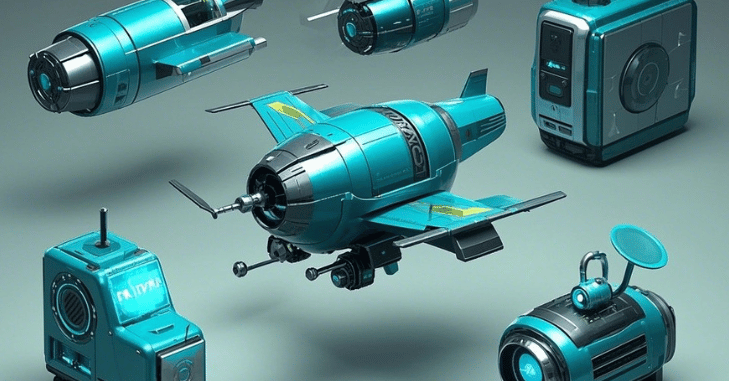
Smart roads embedded with solar panels and LED indicators could generate electricity while providing real-time traffic updates. These roads could power nearby cities and enhance road safety by displaying illuminated signs and warnings for drivers. Additionally, built-in wireless charging for electric vehicles could revolutionize transportation by eliminating the need for charging stations. Future enhancements could include AI-driven lane management systems that optimize traffic flow and emergency response mechanisms that detect accidents instantly.
3. AI-Powered Personal Assistants
While virtual assistants like Siri and Alexa exist, a more advanced AI assistant could predict needs before they arise. Equipped with machine learning and deep personalization, such an assistant could handle scheduling, cooking, health monitoring, and even emotional support. With neural interface integration, these assistants could operate devices through mere thought, enhancing accessibility for individuals with disabilities. Further advancements might enable real-time translation, allowing seamless communication across languages without the need for separate translation devices.
4. Portable Water Purification Straw
For remote areas lacking clean drinking water, a compact, affordable purification straw could filter harmful bacteria and contaminants instantly. This invention would help millions worldwide and reduce waterborne diseases. Future iterations could include multi-layered filtration to remove heavy metals and improve taste, ensuring safer and more enjoyable hydration. Smart sensors could be added to detect water quality and notify users of any potential hazards before drinking.
5. 3D-Printed Homes
Affordable housing is a global issue. 3D-printed homes, made from sustainable materials, can be built in less than 24 hours at a fraction of the cost of traditional construction. This could revolutionize housing in disaster-stricken and underdeveloped areas. Further developments may include self-sustaining designs with built-in renewable energy sources and smart insulation for climate adaptability. Future models could also feature modular add-ons that allow homeowners to expand their living spaces with ease.
6. Edible Food Packaging
Plastic waste is a major environmental issue. Edible food packaging, made from natural, biodegradable materials like seaweed or rice, could eliminate waste while adding extra nutrition to meals. Advanced packaging could incorporate flavor-enhancing properties or vitamins to supplement nutritional intake, making meals healthier and more sustainable. Companies could develop customizable packaging flavors to complement different types of food, creating a unique dining experience.
7. Holographic Smart Devices
Instead of carrying multiple devices, a compact holographic gadget could project a fully functional smartphone, tablet, or laptop screen anywhere. It would offer seamless digital access without physical hardware. Future developments might include interactive 3D holograms for gaming, virtual meetings, and immersive learning experiences. Additionally, AI-powered gesture recognition could allow users to interact with their devices through intuitive hand movements.
8. Mind-Controlled Prosthetics
Advanced prosthetic limbs controlled by brain signals could restore mobility to amputees with near-natural precision. These high-tech prosthetics could improve the quality of life for millions around the world. Future upgrades may include sensory feedback systems, allowing users to experience touch sensations through neural stimulation. AI integration could also enable the prosthetics to learn and adapt to the user’s movement patterns for better responsiveness.
9. Self-Healing Concrete

Infrastructure deterioration is a costly issue. Self-healing concrete, infused with bacteria that produce limestone when cracks appear, could extend the lifespan of roads, bridges, and buildings, reducing repair costs and increasing safety. Further research could lead to self-healing glass and metals, improving the durability of vehicles and electronics. Future innovations could include AI-based predictive maintenance systems that detect weak points in structures before damage occurs.
10. Personalized Medicine via DNA Analysis
Imagine medicine tailored specifically to your genetic makeup. Personalized medicine, using AI and DNA analysis, could predict and prevent diseases before they even manifest, revolutionizing healthcare. In the future, portable DNA testing kits could enable real-time diagnostics and personalized treatment plans, reducing medical costs and improving outcomes. Wearable health monitors could continuously track biomarkers and provide instant feedback to users and healthcare providers.
11. Smart Contact Lenses with Augmented Reality (AR)
Smart contact lenses could display real-time information, like navigation, translations, or health data, directly onto the wearer’s field of vision, eliminating the need for screens and enhancing human-computer interaction. With integrated biometric sensors, these lenses could monitor glucose levels for diabetics, alerting users of potential health risks instantly. Future iterations could include facial recognition capabilities for seamless security access.
12. Wearable Energy Generators
What if your clothes could charge your phone? Wearable energy generators harness body movement and kinetic energy to power small electronic devices, reducing dependence on electrical outlets. Future innovations could include sweat-powered bio-batteries, making wearables even more efficient. These generators could be embedded in everyday accessories like backpacks and watches for continuous power generation.
13. Robotic Farming Assistants
AI-driven robotic farmers could optimize agricultural output by planting, monitoring, and harvesting crops with minimal human intervention, increasing food production efficiency. Future iterations might incorporate drone-assisted pollination to counteract declining bee populations and ensure stable crop yields. Robotic systems could also analyze soil composition and adjust nutrient levels in real time for optimal crop growth.
14. Floating Cities
As sea levels rise, floating cities could become a sustainable solution. Built on water, these futuristic habitats would integrate renewable energy, desalination plants, and self-sustaining food systems. Advanced self-sufficient modules could allow for expansion based on population growth, making them adaptable to changing environmental conditions. AI-powered resource distribution systems could optimize food, energy, and water use.
15. Biodegradable Electronic Devices

E-waste is a growing concern. Developing biodegradable electronics made from organic materials could reduce landfill waste and promote sustainability in tech industries. Future advancements could lead to compostable circuit boards and solar-powered e-waste recycling systems, ensuring a circular economy for electronics. Companies could introduce trade-in programs where old devices are upcycled into new components.
Key Strategies for Generating Innovative Invention Ideas
Generating new invention ideas often begins with observing everyday problems and asking how existing solutions fall short, which can spark creativity and open pathways to novel concepts. Many successful inventors look closely at routine frustrations in both personal and professional settings, using those insights to reimagine better tools, systems, or processes that could simplify tasks or improve outcomes.
Brainstorming with diverse groups, sketching rough prototypes, and staying curious about emerging technologies are also effective ways to expand one’s imaginative range. Additionally, looking at trends in sustainability, convenience, and user-centric design can help align invention ideas with real-world needs — encouraging creators to think beyond novelty and toward practical impact.
By approaching innovation with a blend of critical observation, collaboration, and iterative thinking, aspiring inventors can nurture ideas that are both imaginative and useful.
Conclusion
The future of innovation holds limitless possibilities. With continued research, creativity, and investment, these new invention ideas could soon become a reality, shaping a more advanced and sustainable world. From AI assistants that predict your needs to floating cities that combat climate change, these technologies have the power to redefine how we live. Which invention excites you the most? Let us know in the comments!
If you want to read an interesting article about it, explore our “E-Commerce” category.
FAQs
A new invention idea is an original concept that introduces a unique product, device, or system designed to solve a problem, improve efficiency, or enhance daily life. It can be a completely new creation or an innovative improvement to an existing product.
Inspiration for invention ideas can come from observing everyday problems, brainstorming solutions, or improving existing products. Staying informed about emerging technologies and industry trends can also spark innovative ideas.
If your invention is unique and you want to protect it from being copied, applying for a patent is a good idea. A patent grants legal rights to the inventor, preventing others from making, using, or selling the invention without permission.
Turning an idea into a product involves research, prototyping, testing, and funding. To bring your invention to life, you may need to create a prototype, conduct market research, seek investors, and partner with manufacturers.
Inventions can be funded from various sources, including crowdfunding platforms (Kickstarter, Indiegogo), angel investors, venture capital, business grants, and government innovation programs.